Have you ever wondered Why Do We Have Wisdom Teeth? why you have those four back-teeth that mysteriously erupt (or don’t) between ages 17 and 25? The so-called “wisdom teeth” (third molars) may seem like unwelcome guests, but they tell an interesting story about our evolution—and they still matter for your dental health today. In this post, we’ll walk you through why we have wisdom teeth, how modern jaws and diets changed their fate, and what you should consider if they’re giving you trouble. If you’re in search of a dental clinic for treatment, the team at I Love My Dentist is here to help.
The Origin: What Are Wisdom Teeth?
Wisdom teeth are the third molars, located at the very back of your mouth—one in each quadrant if they all appear. They typically erupt (or try to) during the late teen years or early adult years (17-25). Because they arrive so late in life, they earned the nickname “wisdom” teeth.
Why Do We Have Wisdom Teeth? The Evolutionary Perspective
Tough Diets, Big Jaws
Our human ancestors ate a very different diet: raw plants, roots, nuts, tough meats, all requiring heavy chewing power. In that setting, extra molars (the third set) likely provided useful additional grinding capacity.
Smaller Jaws, But The Same Number of Teeth
Over time, as human culture developed tools, food preparation, cooking, and diets changed, our jawbones gradually became smaller. Meanwhile, the genetic program for third molars persisted. The mismatch—same teeth, less space—led to many wisdom teeth struggling to emerge properly.
Vestigial? Possibly
Because many people never develop wisdom teeth at all and because they often don’t serve a necessary function in modern diets, third molars are sometimes labelled “vestigial.” A 2021 study found that absence of one or more third molars (agenesis) is associated with smaller jaws and facial structures—consistent with the idea of an evolutionary shift.
Do Wisdom Teeth Have a Function Today?
In some cases, yes. According to the Cleveland Clinic, if the wisdom teeth erupt in proper alignment and are healthy, they can provide support in the back of the mouth and help preserve bone in the jaw. However, in practice, most dental professionals agree that for the majority of people, the wisdom teeth are not strictly necessary.
Why They Often Cause Problems
Lack of Space → Impaction
A common issue: the jaw simply lacks enough room for a third set of molars, so they get trapped (impacted) beneath the gum or grow at an angle.
Late Eruption = Greater Risk
Because they erupt later, the surrounding bone and teeth are already in place. This increases the chance of crowding, misalignment, or damage to adjacent teeth.
Hygiene & Decay
The position at the very back of the mouth can make cleaning harder. Partially erupted wisdom teeth create pockets where bacteria accumulate, increasing the risk of gum disease, decay, or other complications.
What the Science Says About Removal
According to a review on NCBI’s InformedHealth.org, wisdom teeth are usually only removed if they cause problems or are very likely to cause problems in the future. There are no proven health benefits of removing asymptomatic wisdom teeth in all cases. In other words: each case should be evaluated individually. A recent study found that about 76 % of extractions were justifiable based on proper indications—but 24 % may not have been.
How to Know If Yours Are a Concern
Here are some indicators that your wisdom teeth may need attention:
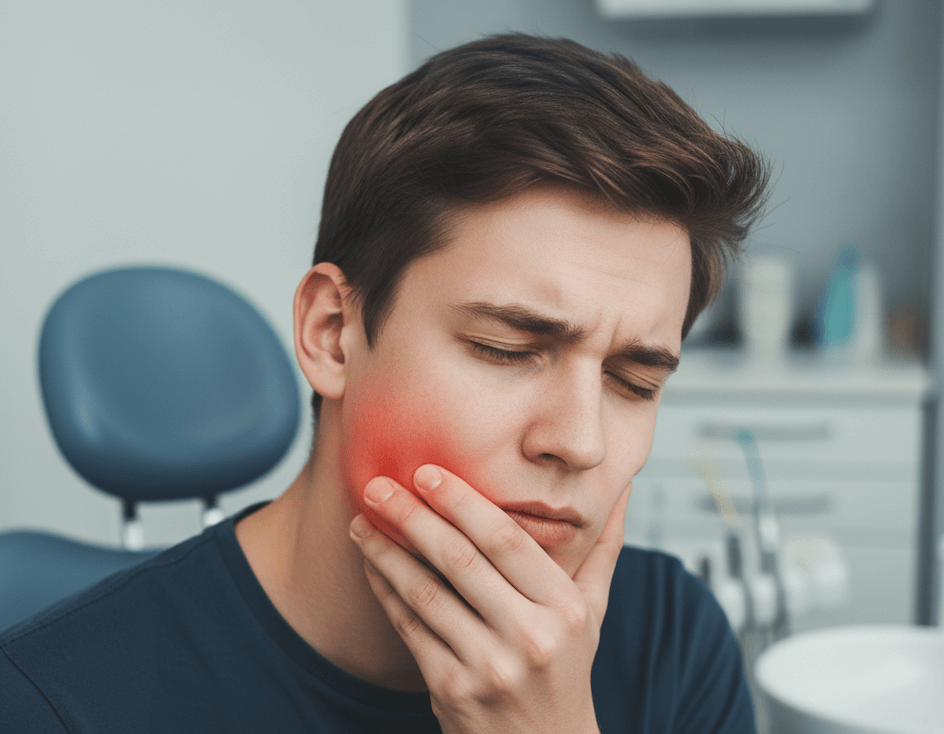
- Pain or swelling in the back of the mouth
- Difficulty fully opening your mouth or chewing
- Repeated infections around a partially erupted tooth
- Crowding or shifting of your second molars
- Radiographic signs of impaction, cyst formation, or decay
The I Love My Dentist team offers comprehensive evaluation: digital imaging, check of eruption and alignment, and personalized treatment planning.
Why Choose I Love My Dentist in Tijuana
- Conveniently located for residents and cross-border patients
- Experienced in wisdom-tooth evaluation and removal in a modern clinical setting
- Personalized approach: we don’t believe in “one-size-fits-all” removal—your case is assessed on its own merits
- Close coordination for aftercare, especially if you travel from the US or Canada
Whether your wisdom teeth are giving you trouble already or you simply want a professional assessment, we’d love to help you understand your options and plan the right next steps.
Summary & Take-Home Points
- The third molars (wisdom teeth) are leftovers from our evolutionary past—useful when diets were tougher and jaws were larger.
- Modern human jaws tend to be smaller, which means many wisdom teeth struggle to erupt properly.
- Although they can serve a function, wisdom teeth are often more trouble than help—impaction, crowding, and infection are common.
- Removal of wisdom teeth should be based on individual evaluation rather than a blanket rule.
If you live near Tijuana, I Love My Dentist offers expert care to evaluate and guide you through the decision process.
References
- “Wisdom teeth: Learn More – Should you have your wisdom teeth removed?” NCBI Bookshelf. Updated September 5 2023. link NCBI
- “Overview: Wisdom teeth” InformedHealth.org (NCBI). link NCBI
- “Third Molar Agenesis Is Associated with Facial Size” PMC. link PMC
- “Why Do We Have Wisdom Teeth?” Healthline. link Healthline
- “Bad molars? The origins of wisdom teeth” USask News. link news